Disclaimer:
This article is provided for general educational purposes only. It offers a neutral overview of common concepts used in modern digital platforms and is not affiliated with any specific software provider or organization.
Table of Contents
- Introduction to Digital Workspaces
- Core Platform Basics
- Platform Structure and Modular Design
- Digital Tools in Everyday Operations
- Software Overview as an Educational Concept
- Common Terminology Explained
- Conclusion
Introduction to Digital Workspaces
A digital workspace is a structured online environment designed to bring together communication, documents, and operational processes within a single digital platform. Rather than functioning as a single tool, it typically represents a collection of interconnected modules that support daily organizational activities in a consistent and organized manner.
Core Platform Basics
At a foundational level, platform basics focus on how information is grouped and accessed. Most environments rely on clearly defined sections that separate document portals, workflow systems, and task management areas. This structure allows users to locate resources logically without navigating unrelated content.
Platform Structure and Modular Design
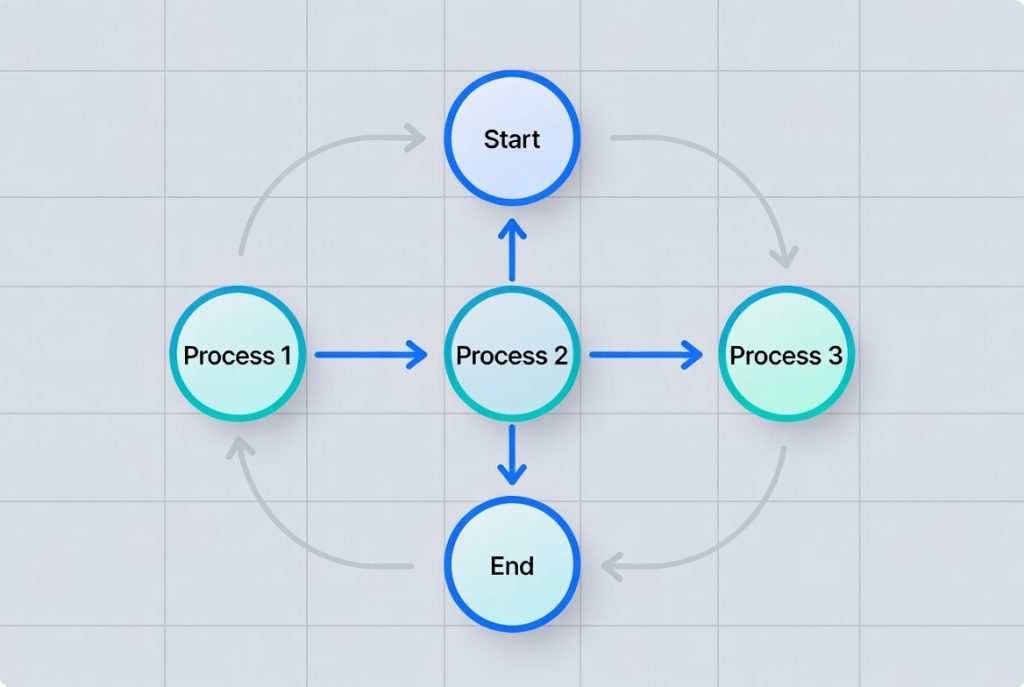
A common platform structure uses modular components that operate independently but remain connected. For example, a document portal may store files and records, while a workflow system manages internal processes. These modules are designed to share data without duplicating information, supporting consistent data organization.
Digital Tools in Everyday Operations
Digital tools within these platforms are typically designed to support routine actions such as organizing files, assigning tasks, or reviewing workflow stages. The emphasis is on clarity and consistency rather than complexity, helping users understand where information resides and how it flows through the system.
Software Overview as an Educational Concept
A software overview usually explains how different modules interact within a digital workspace. Educational resources often describe these systems using neutral examples, such as referencing widely known platforms like taxdome solely as illustrative cases, without implying endorsement or affiliation.
Common Terminology Explained
Terms such as digital platform, document portal, and workflow system are often used interchangeably, but each refers to a specific functional layer. Understanding these distinctions helps readers interpret platform documentation more accurately.
Conclusion
Modern digital workspaces are structured environments that emphasize organization, modularity, and clear information flow. Their design principles aim to support structured operations through well-defined platform basics and consistent system architecture.
Final Disclaimer:
This content is informational only and does not provide technical instructions or official guidance. For accurate and up-to-date details, readers should consult official documentation from relevant platform providers.